
Introduction
The evolution of modern dentistry is being shaped by rapid advancements in laser-assisted technologies and minimally invasive clinical techniques. As clinical demands continue to grow, advanced research fellowships and hands-on training modules have become essential platforms for bridging scientific knowledge with practical application. Intensive clinical modules focused on laser dentistry are now helping experienced practitioners refine precision, improve patient outcomes, and adapt to evolving treatment protocols.
The Growing Role of Laser Technology in Dentistry
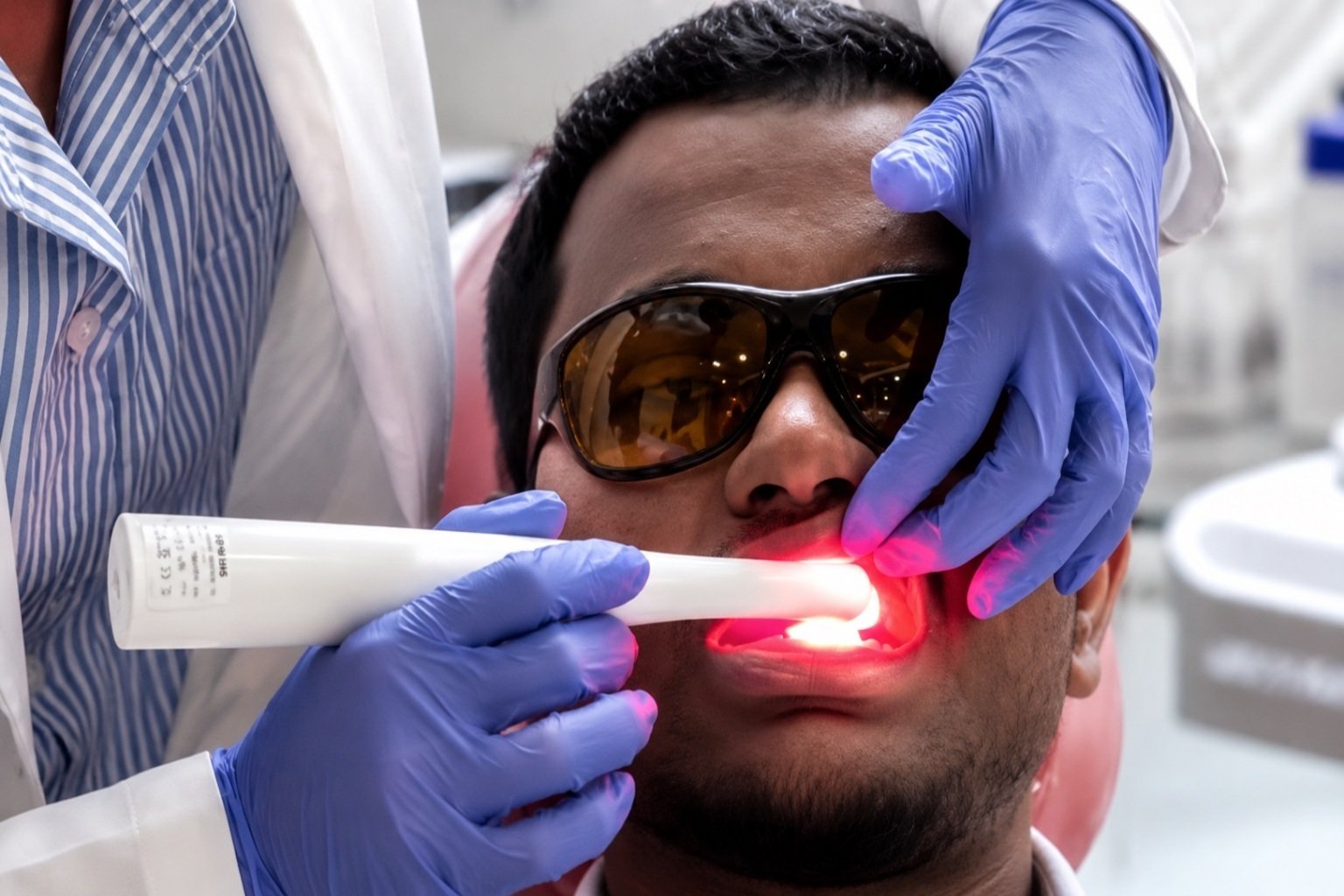
Laser technology has transformed several aspects of dental treatment by offering enhanced accuracy, reduced tissue trauma, and improved healing responses. From soft tissue management to periodontal therapy and minimally invasive surgical procedures, lasers are increasingly being integrated into everyday dental practice.
Modern laser systems allow clinicians to perform procedures with greater control, minimizing bleeding, reducing postoperative discomfort, and improving patient comfort. These advancements have contributed significantly to the shift toward conservative and patient-friendly dental care.
Importance of Hands-On Clinical Learning
While theoretical understanding remains important, hands-on clinical learning plays a critical role in mastering advanced dental technologies. Intensive fellowship modules designed around live demonstrations, documented case presentations, and procedural simulations help clinicians strengthen both confidence and technical expertise.
Interactive learning environments encourage participants to analyze real-time treatment planning, evaluate procedural outcomes, and understand practical decision-making during complex cases. This form of clinical exposure enhances adaptability and helps clinicians apply evidence-based approaches more effectively in their own practice settings.
Clinical Case Discussions and Protocol Refinement
One of the most valuable aspects of advanced clinical modules is the opportunity for peer-driven academic exchange. Discussions centered around documented cases allow clinicians to explore multiple treatment perspectives, procedural modifications, and evolving clinical protocols.
Such collaborative learning environments contribute to:
• Better understanding of laser-tissue interaction
• Improved case selection strategies
• Enhanced procedural precision
• Safer treatment execution
• More predictable patient outcomes
Protocol refinement through continuous discussion and observation helps clinicians stay aligned with current advancements in minimally invasive dentistry.
The Future of Laser Dentistry
As dental technology continues to progress, laser-assisted procedures are expected to become increasingly sophisticated and widely adopted. Innovations in energy delivery systems, digital integration, and minimally invasive surgical techniques are redefining standards of patient care.
Advanced fellowship programs and clinical modules are playing a significant role in preparing clinicians for this technological transition. By combining scientific learning with real-time procedural experience, these programs support the development of highly skilled professionals capable of delivering precision-driven dental care.
Conclusion
Modern laser dentistry represents a major advancement in clinical practice, offering safer, more efficient, and minimally invasive treatment possibilities. Intensive hands-on fellowship modules provide an important pathway for clinicians to deepen their understanding of emerging technologies while refining practical skills through live applications and collaborative learning.